
Learn / Grown here
Indica, Sativa, Hybrid, and What a Strain Name Tells You
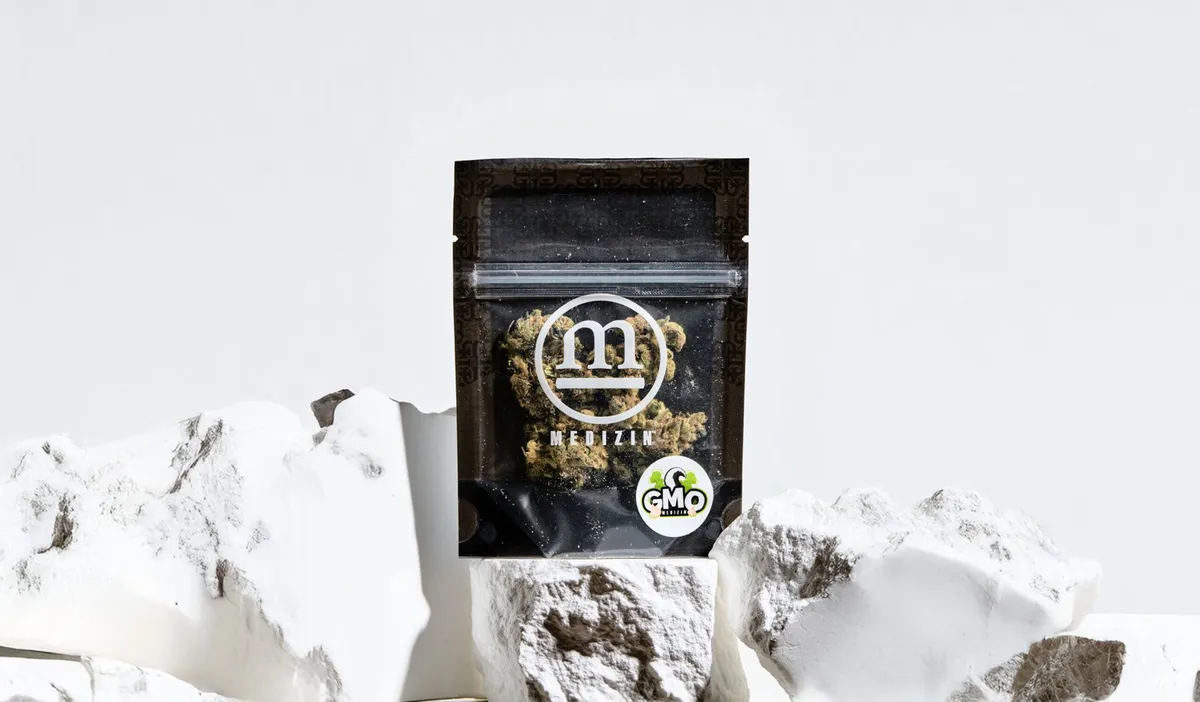
Most menus sort cannabis into indica, sativa and hybrid, and most people shop that way. The three words work as a shared vocabulary. As a forecast of any one product, they promise less than people expect.
Where the words come from
Cannabis sativa and Cannabis indica are botanical names, but the retail labels grew up separately: shorthand among breeders in the 1970s and 1980s, then seed-company marketing, then decades of habit. Studies that set the labels beside lab chemistry find the two line up poorly.
What a strain name tells you
A strain name tells you which genetic line a plant came from, not what a given batch contains.
Our own SFV OG shows it. We make it as a live resin cartridge and as a live resin badder, from different batches. Both lab panels lead with limonene, but the next terpene on the cartridge is myrcene, while the badder carries caryophyllene and about twice the linalool. Same strain, same grower, two different panels.
So is Runtz an indica or a sativa? The honest answer is that it depends on the batch, and the lab results say more than the name does.
Strains we grow
Among the strains our cultivation team grows are GG4 (the strain formerly sold as Gorilla Glue #4), SFV OG (San Fernando Valley OG) and Super Runtz. We source seeds and exclusive cuts directly from legacy breeders, and every Medizin batch is backed by a certificate of analysis with its cannabinoids and terpenes.
At Best in Grass Nevada 2025, flower cultivated by the Medizin team took first place in the indica, sativa and hybrid categories, judged anonymously, at home, by everyday consumers.
Choosing by aroma
People often ask which strain suits a particular mood or moment. No label and no strain name can promise that. What you can choose by is aroma: find a terpene profile whose smell and taste you enjoy, and look for others that share it. A product's certificate of analysis lists its terpenes.